
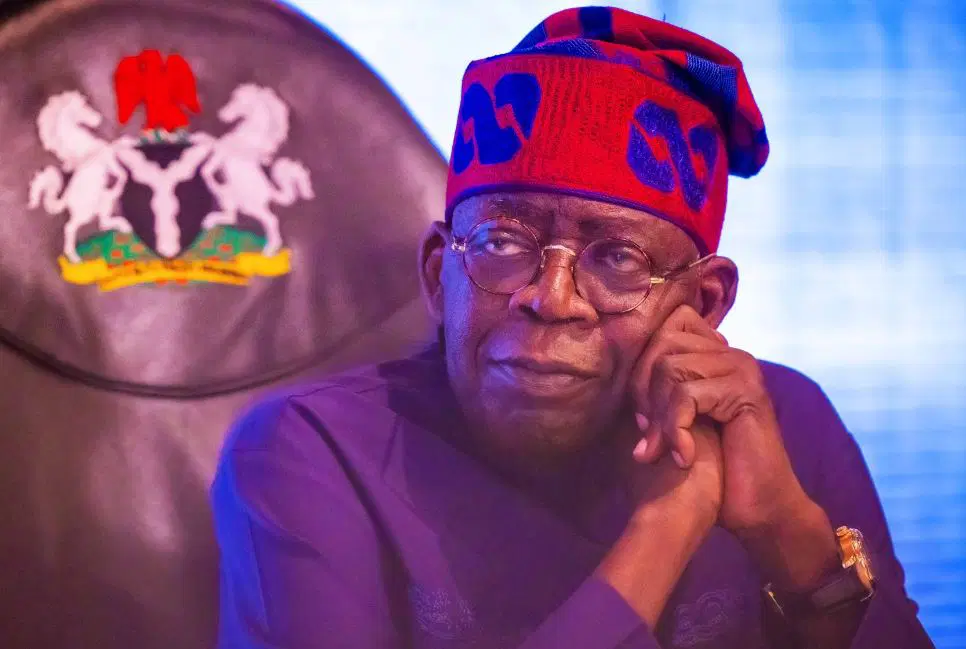
Three years after President Bola Ahmed Tinubu assumed office in May 2023, Nigeria’s economy remains one of the most debated topics across households, markets, and social media platforms.
From the controversial removal of fuel subsidy to rising inflation, currency instability, and the escalating cost of living, many Nigerians say daily survival has become significantly more difficult under the current administration.
While the government maintains that its economic reforms are necessary to stabilize the country and attract long-term investment, millions of citizens continue to grapple with higher food prices, transportation costs, rent, and electricity tariffs.
As discussions around “Tinubu 3 years in office” trend online, public opinion remains sharply divided between those who see gradual economic restructuring and those who feel the hardship has become overwhelming.
Overview of Tinubu’s Economic Reforms
Since taking office, President Tinubu has introduced several major economic policies aimed at restructuring Nigeria’s economy.
One of the earliest and most significant decisions was the removal of fuel subsidy during his inauguration speech in 2023. The policy ended decades of government intervention in petrol pricing and immediately triggered nationwide economic reactions.
The government argued that the subsidy system was financially unsustainable and was draining resources needed for infrastructure, healthcare, education, and social development.
In addition, the administration implemented foreign exchange reforms aimed at unifying Nigeria’s multiple exchange rate systems. However, this led to a sharp depreciation of the naira and increased import costs across sectors.
Other key reforms include:
- Fiscal policy restructuring
- Monetary tightening measures by the Central Bank
- Efforts to attract foreign direct investment
- Tax reform discussions
- Social intervention programmes
- Infrastructure financing initiatives
Officials insist these reforms are difficult but necessary steps toward long-term economic recovery.
Fuel Subsidy Removal and Immediate Impact
The removal of fuel subsidy remains one of the most defining and controversial policies of Tinubu’s presidency.
Before the policy, petrol prices were heavily subsidized by the government. After removal, fuel prices rose sharply across the country, triggering immediate increases in transport fares, food distribution costs, and general living expenses.
In major cities such as Lagos, Abuja, Port Harcourt, Kano, and Benin, commuters began spending significantly more on daily transportation, while businesses dependent on fuel-powered operations faced rising costs.
A Lagos-based trader described the situation:
“Fuel has made life very difficult for us. Transport alone is now a big problem.”
For many households, monthly income that once covered basic needs is now stretched thin, forcing difficult financial adjustments.
Before the removal of fuel subsidy in May 2023, petrol was sold at an average price of about ₦165 to ₦185 per litre across most parts of Nigeria, a rate that was largely supported by government intervention to ease transportation and living costs. However, after the subsidy was removed by Presidend Bola Ahmed Tinubu, fuel prices jumped to between ₦488 and over ₦1200 per litre depending on location and market forces. This massive increase triggered a ripple effect across the economy, leading to higher transport fares, increased food prices, and a general rise in the cost of living that many Nigerians say is still being felt today.
How much was fuel before Fuel Subsidy Removal in Nigeria
Official Pump Price (Before Subsidy Removal)
- ₦185 per litre (standard approved retail price in most parts of Nigeria in 2022–early 2023)
In some cases (earlier years / limited periods)
- It ranged between ₦165 – ₦185 per litre, depending on supply and station regulation
After Subsidy Removal
- Prices jumped immediately to about ₦488 – ₦1200+ per litre, depending on location and market conditions at the time.
Inflation and Rising Cost of Living in Nigeria
Inflation has remained one of the biggest economic challenges under the Tinubu administration.
Food prices have surged significantly, affecting basic food items like as rice, beans, garri, bread, cooking oil, and vegetables. Many families now spend a most of their income on food alone.
Aside food, the cost of rent, electricity, healthcare, education, and transportation has also increased across the country.
Small business owners keep coming online to cry for the help from the president as the economy is making things difficult for every, both buyers and sellers.
A small business owner Abuja tweeted today and said:
“Since Tinubu came into power, i have been running business in debt, i have never made profit, because people are not even buying what we are selling, if we manage to sell, expenses will take up both your profit and capital, cost of shipping goods alone, even light to preserve good na problem, security another bigger problem, infact i am tired of doing business . i think id rather work for someone at this point.”
Another entrepreneur in Benin City replied her tweet:
if you decide to go work for someone, you wont still meet up because Salary is not even enough to take care of your basic needs like transport and feeding. talk more of paying your house rent, subscribing you phone, or other necessary bills. my sister it is not good anywhere.. the country is gradually killing us.”
Across markets and online discussions, Nigerians continue to express concern about the widening gap between income and living expenses.
Exchange Rate Pressure and Currency Instability
The performance of the naira against foreign currencies is another major concern under the Tinubu economy.
Following exchange rate reforms, the naira experienced depreciation against the US dollar, affecting import-dependent businesses and increasing the cost of goods nationwide.
Essential products such as electronics, pharmaceuticals, vehicles, building materials, and food imports have all become more expensive due to foreign exchange instability.
Economists say the reforms were intended to correct long-standing market distortions, but the short-term effects have placed heavy pressure on consumers and businesses.
Government’s Position on the Economy
Despite public concerns, the Federal Government maintains that its reforms are beginning to yield positive results.
Officials argue that subsidy removal has reduced financial leakages and improved government revenue allocation. The administration also points to increased investor confidence, infrastructure development projects, and fiscal restructuring as signs of progress.
Supporters of the government believe previous administrations delayed difficult reforms, leaving limited options for economic recovery.
According to officials, the current hardship reflects a transition phase that will eventually lead to stability and sustainable growth.
The government has also introduced various intervention programmes, including student loans, cash transfer schemes, wage support initiatives, and agricultural support programmes aimed at cushioning economic pressure.
However, many Nigerians say the impact of these measures is still not widely felt.
Analysts React to Tinubu’s Economic Reforms
Economists and policy analysts have described Nigeria’s economic challenges as structural and long-standing, requiring deep reforms over time.
Some experts say fuel subsidy removal was necessary but acknowledge that it came with immediate hardship due to weak social protection systems.
Others argue that while macroeconomic indicators may improve in the long run, urgent measures are needed to reduce the burden on ordinary citizens.
Analysts also emphasize the need for increased local production, improved electricity supply, agricultural development, and job creation to support economic stability.
Nigerians React to Tinubu’s 3 Years in Office
Public reactions to the Tinubu administration remain mixed across social media platforms including X (formerly Twitter), Facebook, TikTok, and WhatsApp.
While some Nigerians say reforms are necessary for long-term progress, others insist that the cost of living has become unbearable.
A social media user wrote:
“Things are hard but maybe reforms will work in the long run.”
Another user reacted:
“We are suffering too much; government needs to act faster.”
Others remain uncertain about the future, with ongoing debates about whether current policies will eventually lead to relief or further hardship.
Conclusion
As President Bola Ahmed Tinubu marks three years in office, Nigeria’s economy reflects a mix of structural reforms and significant public hardship.
While policies such as fuel subsidy removal and foreign exchange reforms have reshaped the economic landscape, millions of Nigerians continue to face rising inflation, high transport costs, and declining purchasing power.
For many citizens, the central question remains not whether reforms are needed, but when these reforms will begin to translate into visible improvements in everyday life.
As the administration continues its economic agenda, Nigerians remain watchful, hopeful, and deeply engaged in the ongoing debate about the country’s future direction.