
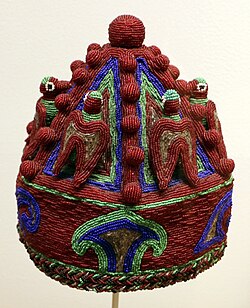
Traditional rulers continue to play an important role in preserving culture, history, and customs across Nigeria. In Yorubaland, Obas remain highly respected figures who serve as custodians of tradition and symbols of unity within their various kingdoms.
For centuries, Yoruba monarchs have provided leadership, preserved cultural heritage, and represented their people during important social and ceremonial events. While modern governance is handled by elected officials, traditional institutions remain influential in many communities.
This guide explores some of the most prominent Obas in Yorubaland, their kingdoms, and the historical significance of their traditional titles.
Also Read: Top Richest Kings in Nigeria: Meet the Wealthiest Traditional Rulers and Monarchs in 2026
Who Is an Oba in Yorubaland?
An Oba is a traditional ruler or king in Yoruba culture. The title is used by monarchs who govern various kingdoms, towns, and communities across southwestern Nigeria and parts of neighboring countries with Yoruba heritage.
Traditionally, Obas are regarded as custodians of culture, customs, and ancestral traditions. They often serve as mediators, community leaders, and representatives of their people during cultural and national events.
Although their constitutional powers have changed over time, Yoruba monarchs remain highly respected and influential figures within their domains.
Major Obas in Yorubaland
1. Ooni of Ife
The Ooni of Ife is one of the most respected traditional rulers in Nigeria.
The throne is based in Ile-Ife, Osun State, which is widely regarded as the ancestral and spiritual homeland of the Yoruba people. Because of Ile-Ife’s central place in Yoruba history and tradition, the Ooni is often viewed as one of the most influential Yoruba monarchs.
The current Ooni of Ife is Adeyeye Enitan Ogunwusi, who ascended the throne in 2015.
2. Alaafin of Oyo
The Alaafin of Oyo is the traditional ruler of the historic Oyo Kingdom.
The title traces its roots to the powerful Oyo Empire, one of the largest and most influential pre-colonial empires in West Africa. Historically, the Alaafin wielded significant political and military authority across large parts of present-day Nigeria.
Today, the throne remains one of the most prestigious traditional institutions in Yorubaland.
3. Awujale of Ijebuland
The Awujale is the paramount ruler of Ijebuland in Ogun State.
The Ijebu Kingdom has a rich history dating back several centuries and remains one of the most economically and culturally influential Yoruba kingdoms.
The Awujale plays an important role in preserving Ijebu traditions and promoting development within the region.
4. Alake of Egbaland
The Alake is the paramount ruler of the Egba people in Ogun State.
Based in Abeokuta, the Alake oversees one of Yorubaland’s most historically significant traditional institutions. The Egba Kingdom has produced notable leaders and played a major role in the political development of southwestern Nigeria.
5. Olubadan of Ibadanland
The Olubadan is the traditional ruler of Ibadan, the capital of Oyo State.
The throne is unique because of its well-structured succession system, which allows chiefs to rise through established ranks before becoming Olubadan.
Ibadan remains one of Nigeria’s largest cities and an important cultural center in Yorubaland.
6. Owa Obokun of Ijesaland
The Owa Obokun is the paramount ruler of Ijesaland in Osun State.
The title is deeply rooted in Yoruba history and represents one of the oldest traditional institutions in the region.
7. Deji of Akure
The Deji is the traditional ruler of Akure Kingdom in Ondo State.
The throne remains highly respected among the people of Akure and continues to play an important role in cultural preservation and community development.
8. Olowo of Owo
The Olowo is the traditional ruler of Owo Kingdom in Ondo State.
Owo has a rich cultural heritage and is known for its distinctive traditions, royal history, and artistic contributions to Yoruba civilization.
9. Akarigbo of Remoland
The Akarigbo is the paramount ruler of Remoland in Ogun State.
The title is one of the most respected traditional institutions in southwestern Nigeria and represents the interests of the Remo people.
10. Soun of Ogbomosoland
The Soun is the traditional ruler of Ogbomoso in Oyo State.
The throne has historically played a significant role in the growth and development of Ogbomoso and remains an important cultural institution today.
Is There an Official Ranking of Yoruba Monarchs?
One of the most debated questions in Yoruba history is whether there is an official ranking among traditional rulers.
While various opinions have been expressed over the years, there is no universally accepted constitutional hierarchy that officially places all Yoruba monarchs in a fixed order of superiority.
However, many historians and cultural scholars recognize the unique significance of both the Ooni of Ife and the Alaafin of Oyo due to their historical and cultural importance.
The Ooni of Ife is widely regarded as the spiritual leader of the Yoruba people because of Ile-Ife’s place in Yoruba origin traditions, while the Alaafin of Oyo is respected for the historical influence of the Oyo Empire.
As a result, discussions about superiority among Yoruba monarchs often reflect historical, cultural, and traditional perspectives rather than official governmental rankings.
Ooni of Ife vs Alaafin of Oyo: Why the Debate Exists
The debate over who holds greater influence between the Ooni of Ife and the Alaafin of Oyo has existed for decades.
Supporters of the Ooni often point to Ile-Ife’s status as the ancestral home of the Yoruba people and the spiritual significance attached to the throne.
Supporters of the Alaafin, on the other hand, emphasize the political, military, and territorial influence once exercised by the Oyo Empire across large parts of West Africa.
Many historians argue that both institutions played different but equally important roles in Yoruba history.
Rather than viewing the monarchs as rivals, cultural experts generally regard both thrones as pillars of Yoruba civilization.
Traditional Rulers and Their Importance in Modern Nigeria
Despite the introduction of modern democratic governance, traditional rulers continue to play important roles across Nigeria.
Their responsibilities often include:
- Preserving cultural heritage
- Promoting peace and conflict resolution
- Supporting community development
- Encouraging cultural festivals and tourism
- Serving as symbols of unity within their communities
Many traditional rulers also collaborate with government institutions on issues relating to security, education, and social development.
Historical List of Yoruba Monarchs Traditionally Entitled to Wear Royal Crowns
Historical records published in the twentieth century identified several Yoruba traditional rulers who were recognized as crown-wearing monarchs within the Yoruba cultural sphere.
A list published in the Nigerian Tribune in December 1987, based on earlier historical records, mentioned the following traditional titles:
- Ooni of Ife
- Olowu of Abeokuta
- Alaafin of Oyo
- Oba Ado of Ado
- Oore of Otun
- Orangun of Ila
- Awujale of Ijebuland
- Apero of Ijero
- Olojudo of Ido Ogundaru
- Ilara of Ara
- Elekole of Ikole
- Owa Obokun of Ijesaland
- Oloye of Oye
- Alake of Egbaland
- Ewi of Ado-Ekiti
- Alaaye of Efon
- Akarigbo of Remoland
- Agura of Gbagura
- Ogoga of Ikere
- Osemawe of Ondo
- Oshile of Oke-Ona Egba
- Elemure of Emure
- Onigbajo of Igbajo
- Olowo of Owo
- Ewusi of Makun
- Onise of Ise
- Owa of Idanre
- Alajogun of Ajase
- Onibara of Ibara
- Onire of Ire-Ekiti
- Owa of Igbara-Oke
- Oniseri of Iseri
- Oloja of Okemesi
- Ologere of Ogere
- Ologun of Obagun
- Elepe of Epe
- Owalubo of Ubo
- Onilawe of Ilawe
- Onipokia of Ipokia
- Onitede of Tede
- Alapa of Agbonda
- Deji of Akure
- Oniro of Iro
- Olota of Ota
- Onitori of Itori
- Olubadan of Ibadan
Historical sources indicate that the complete list contained more than fifty traditional rulers across different Yoruba kingdoms and communities. The list reflects the rich diversity of Yoruba traditional institutions and highlights the widespread presence of crown-wearing monarchs throughout Yorubaland.
Frequently Asked Questions
Who is the highest-ranking king in Yorubaland?
There is no officially recognized constitutional ranking of all Yoruba monarchs. However, the Ooni of Ife is widely regarded as one of the most influential Yoruba traditional rulers because of the historical significance of Ile-Ife.
Who is more powerful between the Ooni of Ife and the Alaafin of Oyo?
The answer often depends on historical and cultural perspectives. The Ooni is associated with Yoruba spiritual heritage, while the Alaafin is linked to the political and military legacy of the Oyo Empire.
What does Oba mean?
Oba is a Yoruba word that means king or traditional ruler.
How many Obas are there in Yorubaland?
There are hundreds of traditional rulers across Yorubaland, ranging from paramount rulers to community monarchs.
Who is the current Ooni of Ife?
The current Ooni of Ife is Oba Adeyeye Enitan Ogunwusi.
What is the role of traditional rulers in Nigeria today?
Traditional rulers help preserve culture, promote peace, support community development, and serve as custodians of local customs and traditions.
Conclusion
Yorubaland is home to some of Nigeria’s most respected traditional institutions. From the Ooni of Ife and the Alaafin of Oyo to the Awujale of Ijebuland and the Olubadan of Ibadanland, these monarchs continue to play important roles in preserving Yoruba culture and history.
Although debates about hierarchy and influence occasionally arise, the collective contribution of Yoruba traditional rulers to the preservation of heritage and community development remains widely recognized throughout Nigeria.