
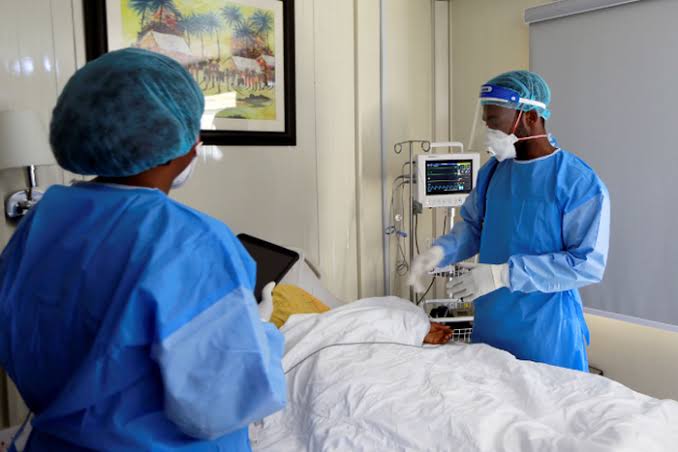
Nigeria has produced some of the finest medical professionals in Africa, but an increasing number of these doctors are choosing to build their careers abroad.
Over the past decade, thousands of Nigerian-trained doctors have relocated to countries across Europe, North America, the Middle East, and Oceania. This growing migration trend has become one of the biggest challenges facing Nigeria’s healthcare system.
While better salaries often make headlines, money is only one part of the story. Improved working conditions, career growth opportunities, access to modern healthcare facilities, and better quality of life are among the key reasons many doctors choose to leave.
In this article, we explore the top countries attracting Nigerian doctors and the factors driving this migration trend.
Why Nigerian Doctors Are Leaving
Before looking at specific destinations, it is important to understand why many doctors seek opportunities outside Nigeria.
Some of the common reasons include:
- Better salaries and benefits
- Modern medical equipment and facilities
- More structured residency and specialist training
- Improved work-life balance
- Better security and living conditions
- Opportunities for career advancement
- Access to world-class healthcare systems
- Better educational opportunities for families
For many doctors, migration represents both a professional and personal decision aimed at improving their future.
While better opportunities abroad continue to attract many healthcare professionals, earnings remain an important consideration for doctors at every career stage. If you’re curious about how much medical professionals actually earn locally, read our detailed guide on Doctor Salary in Nigeria: What Medical Professionals Really Earn.
1. United Kingdom
The United Kingdom remains one of the most popular destinations for Nigerian doctors.
The UK’s healthcare system, known as the National Health Service (NHS), actively recruits international medical professionals to help fill workforce shortages.
Why Nigerian Doctors Choose the UK
- Relatively straightforward licensing pathway through professional exams
- High demand for healthcare workers
- Competitive salaries
- Access to specialist training programs
- Clear career progression structure
- Large Nigerian community
Many doctors see the UK as a gateway to international medical practice because of its well-organized healthcare system and numerous career opportunities.
Challenges
- Licensing examinations
- Cost of relocation
- High cost of living in cities such as London
- Adjustment to a different healthcare culture
Many doctors who relocate to the UK do so after completing specialist training in Nigeria. If you’re considering a long-term medical career, our article on How Long Does It Take to Become a Consultant Doctor in Nigeria? explains the journey from medical school to consultancy.
2. Canada
Canada has become increasingly attractive to Nigerian medical professionals.
The country’s healthcare sector offers excellent working conditions, strong employee benefits, and a high standard of living.
Why Doctors Move to Canada
- Attractive earning potential
- Excellent healthcare infrastructure
- Strong social welfare system
- Safe environment
- Opportunities for permanent residency and citizenship
- High quality of life
Many Nigerian doctors view Canada as a long-term destination for both career development and family stability.
Challenges
- Competitive licensing process
- Limited residency positions for internationally trained doctors
- Long immigration timelines in some cases
For many Nigerian doctors, relocation decisions are influenced not only by salary but also by career growth opportunities. You may also want to compare Government vs Private Hospital Salaries for Doctors in Nigeria to understand the earning potential available within the country.
3. United States
The United States offers some of the highest earning opportunities for medical professionals globally.
As a result, it remains a dream destination for many Nigerian doctors willing to complete the required licensing process.
Reasons Doctors Choose the US
- High salaries
- Advanced medical technology
- Access to world-leading hospitals
- Extensive research opportunities
- Wide range of medical specialties
- Career prestige
Doctors interested in academic medicine, research, or highly specialized fields often consider the United States a top destination.
Challenges
- Difficult licensing examinations
- Competitive residency matching process
- Significant relocation expenses
- Longer pathway to full medical practice
4. Saudi Arabia
Saudi Arabia has become one of the leading destinations for Nigerian healthcare professionals in the Middle East.
Many doctors are attracted by the financial incentives and growing healthcare sector.
Why Saudi Arabia Is Popular
- Tax-free income
- Attractive employment packages
- Employer-sponsored accommodation
- Growing healthcare investments
- Relatively simpler recruitment process compared to some Western countries
The country offers opportunities for both general practitioners and specialists.
Challenges
- Cultural differences
- Language barriers in some settings
- Different healthcare regulations
5. Australia
Australia is another country experiencing healthcare workforce shortages, creating opportunities for international doctors.
The country’s healthcare system is regarded as one of the best in the world.
Reasons Doctors Move to Australia
- Strong healthcare infrastructure
- Excellent salaries
- Work-life balance
- Safe environment
- High living standards
- Career growth opportunities
Many doctors appreciate Australia’s combination of professional opportunities and quality of life.
Challenges
- Licensing requirements
- Immigration procedures
- Relatively high cost of living in major cities
6. New Zealand
Although smaller than other destinations, New Zealand has become increasingly attractive to Nigerian doctors.
The country consistently ranks highly for quality of life and workplace satisfaction.
Why Doctors Choose New Zealand
- Lower population pressure
- Modern healthcare facilities
- Attractive work-life balance
- Friendly immigration policies for skilled workers
- Peaceful environment
Many healthcare professionals see New Zealand as an ideal destination for raising families while maintaining a rewarding career.
7. Ireland
Ireland has emerged as another growing destination for Nigerian doctors seeking opportunities in Europe.
The country faces healthcare staffing shortages, creating demand for foreign-trained professionals.
Benefits of Working in Ireland
- Competitive salaries
- English-speaking environment
- Career development opportunities
- Access to European healthcare systems
- Relatively easier cultural integration
Ireland’s growing healthcare sector continues to attract medical talent from Nigeria and other countries.
How Migration Affects Nigeria’s Healthcare System
The departure of skilled doctors has significant consequences for healthcare delivery in Nigeria.
Some of the effects include:
Increased Workload
With fewer doctors available, those who remain often manage larger patient loads and longer working hours.
Specialist Shortages
Certain medical specialties become more difficult to staff, particularly in public hospitals.
Reduced Access to Care
Rural and underserved communities are often affected the most when healthcare workers leave.
Training Gaps
Experienced doctors who relocate also take valuable expertise and mentorship opportunities with them.
Is Relocating Always the Best Option?
While migration offers many advantages, it is not a guaranteed path to success.
Doctors moving abroad often face:
- Licensing examinations
- Professional assessments
- Immigration processes
- Cultural adjustments
- Separation from family and friends
- Initial settlement costs
Some Nigerian doctors choose to remain in the country and build successful careers through private practice, specialization, healthcare entrepreneurship, and consultancy work.
Ultimately, the right choice depends on individual goals and circumstances.
The Future of Doctor Migration in Nigeria
Healthcare experts believe doctor migration will continue unless significant improvements are made within Nigeria’s healthcare sector.
Better infrastructure, improved working conditions, enhanced training opportunities, and competitive compensation packages could help retain more medical professionals.
At the same time, the global demand for healthcare workers is expected to remain strong, meaning Nigerian doctors will likely continue to find opportunities abroad.
Conclusion
The United Kingdom, Canada, the United States, Saudi Arabia, Australia, New Zealand, and Ireland are among the leading destinations for Nigerian doctors seeking new opportunities.
Although higher salaries play a role, many doctors are equally motivated by career growth, better working environments, access to modern healthcare systems, and improved quality of life.
As the migration trend continues, addressing the underlying challenges within Nigeria’s healthcare system will be essential to retaining skilled medical professionals and strengthening healthcare delivery across the country.